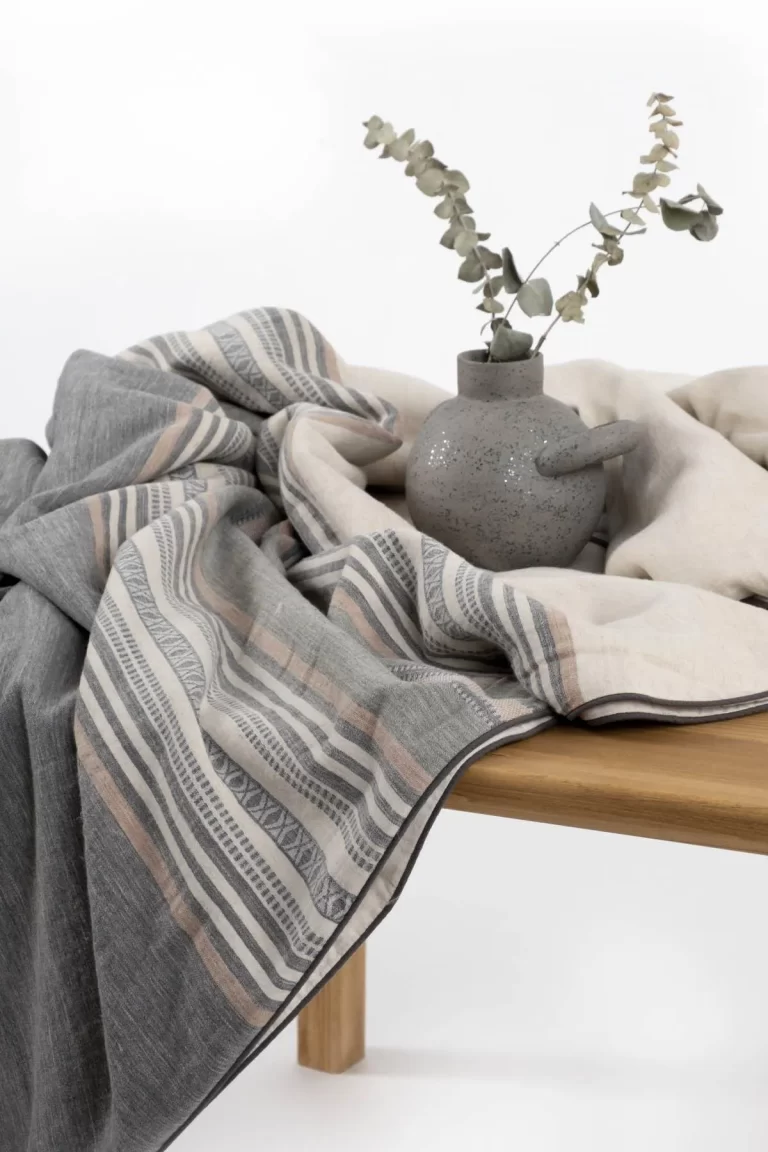
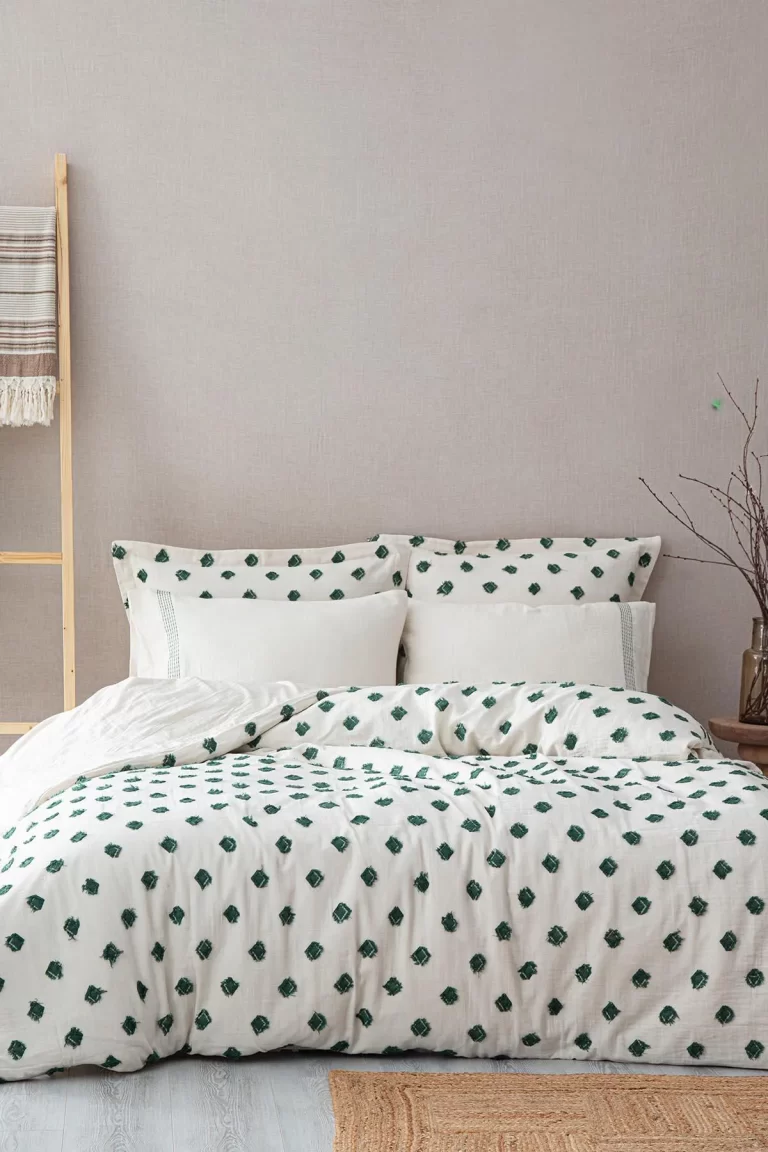
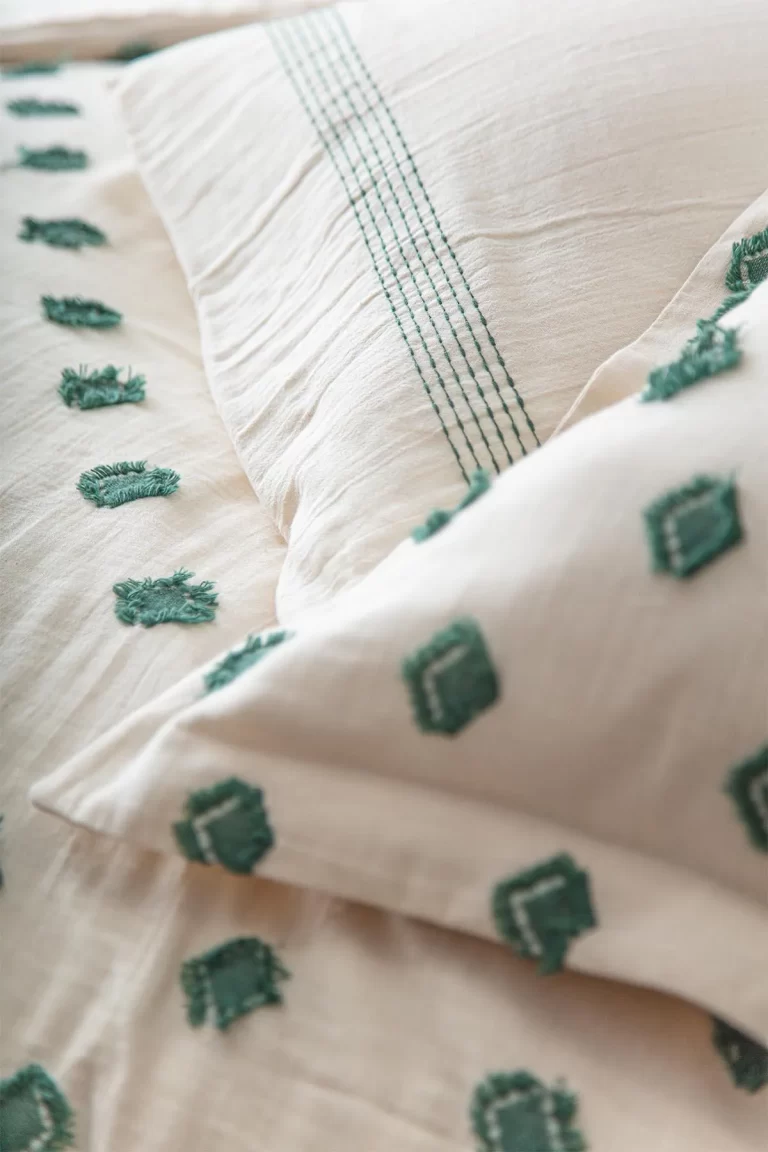
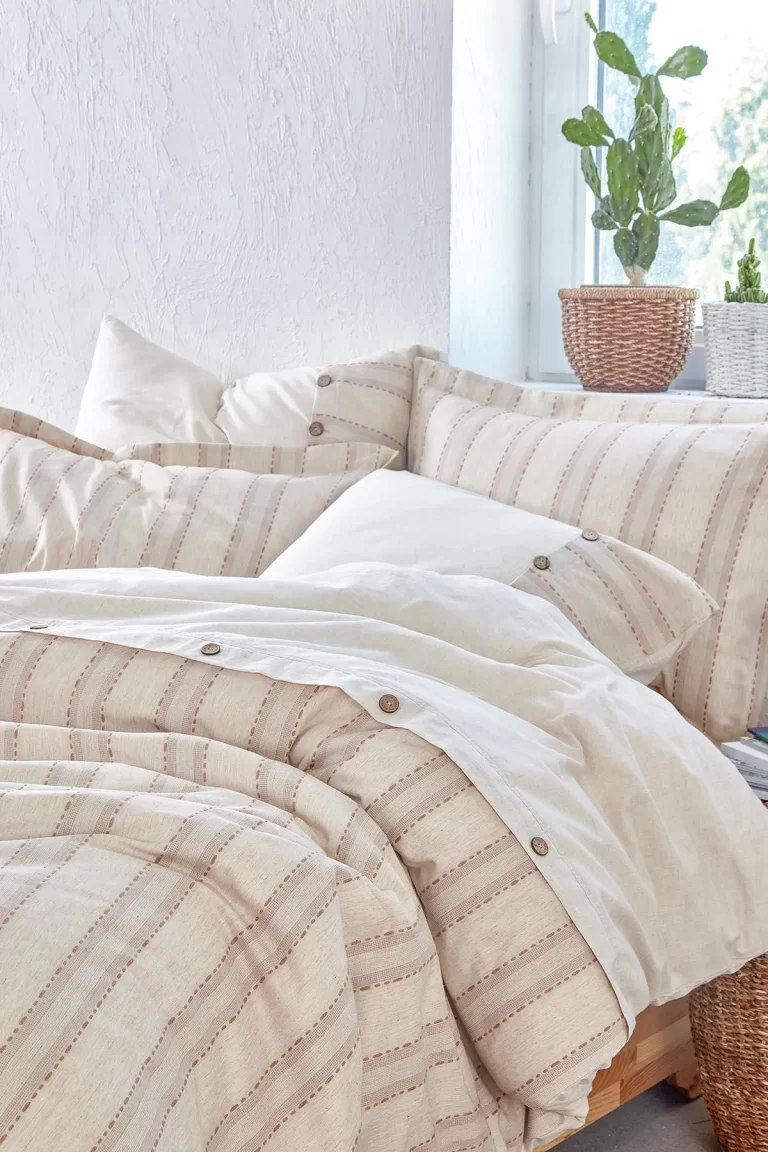
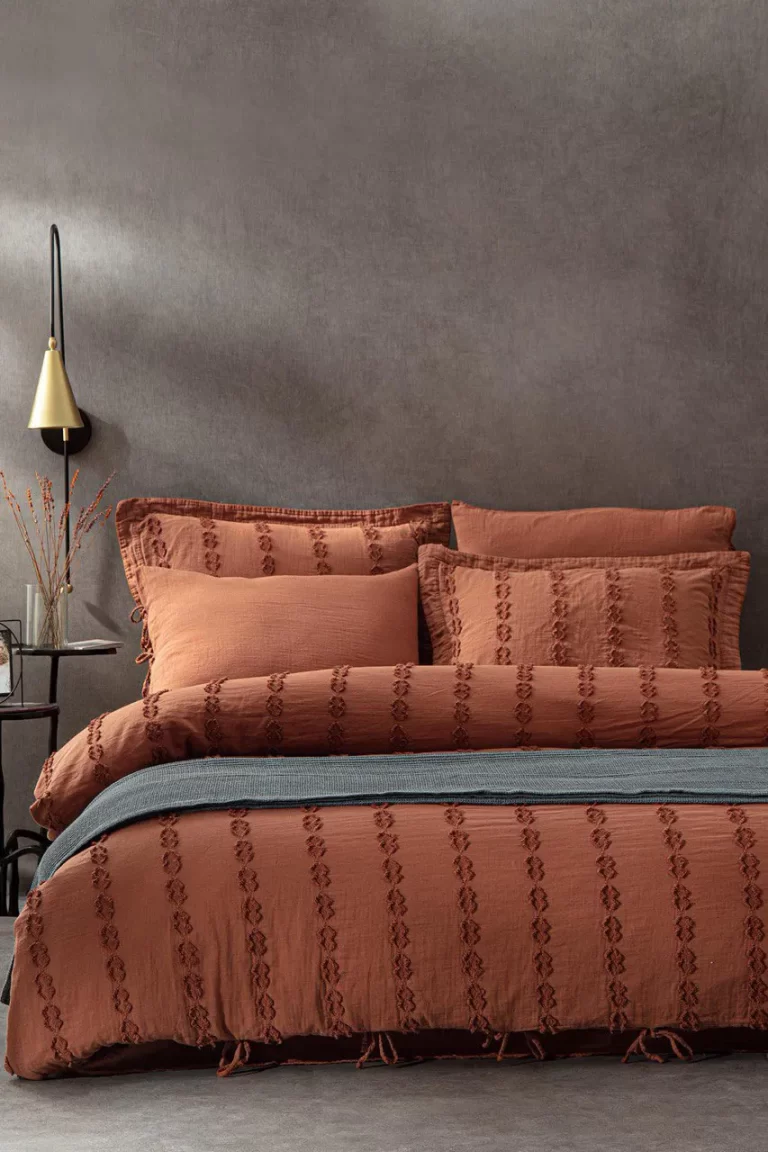
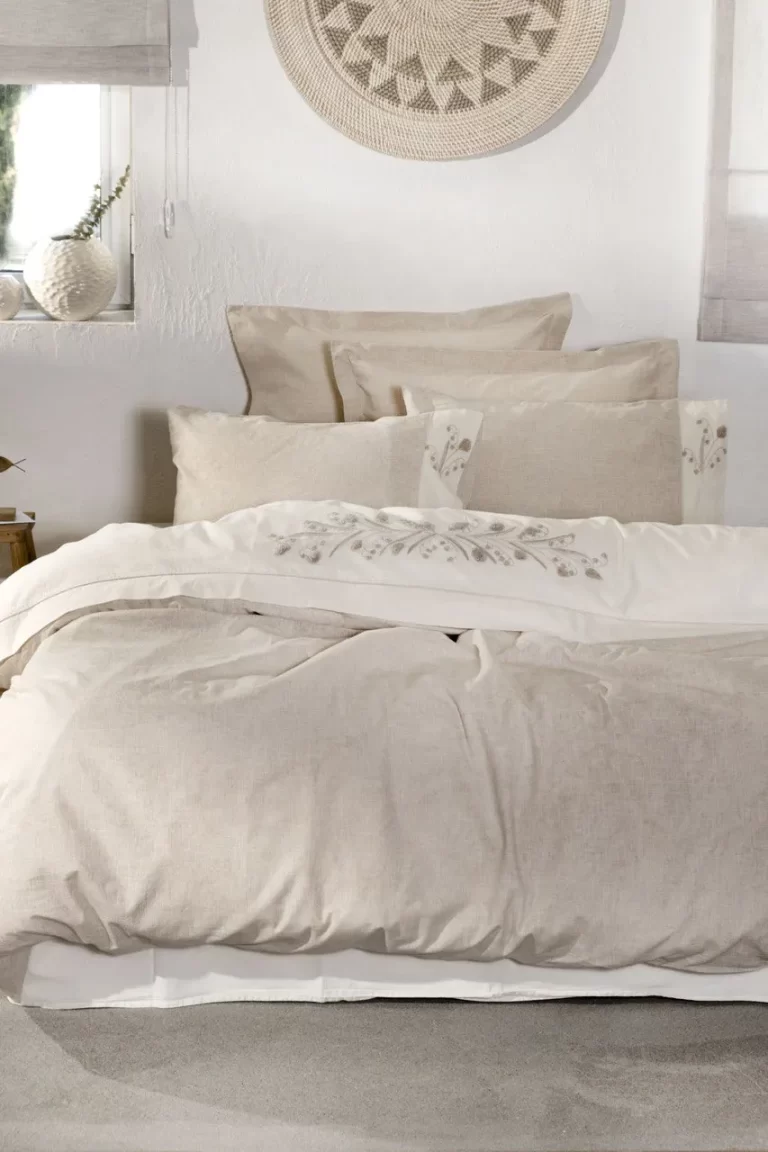
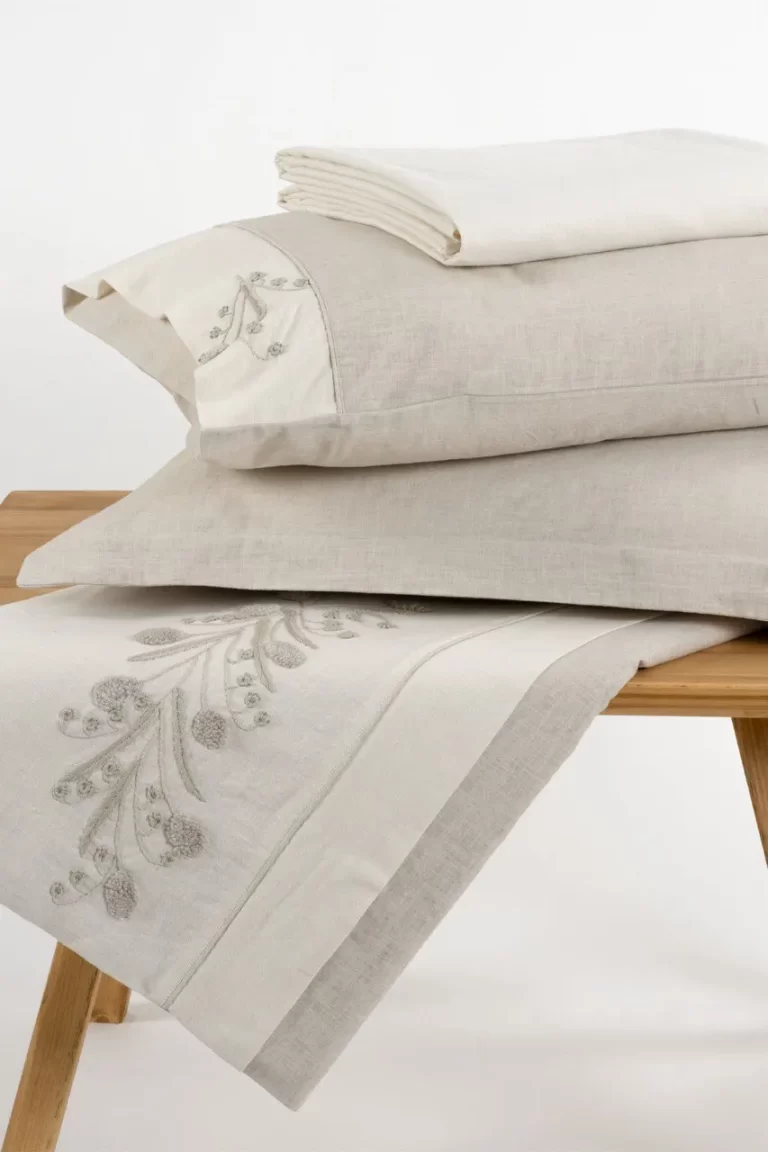
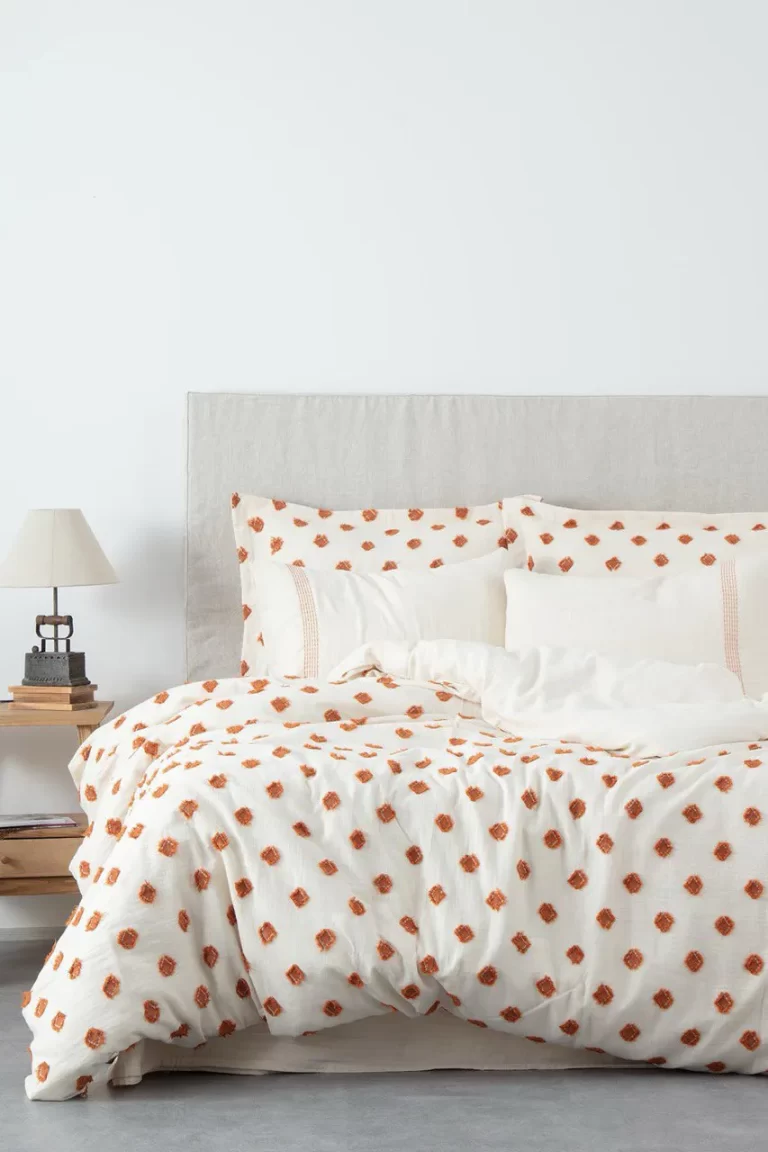
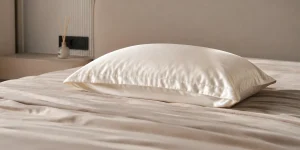
We spend about a third of our lives in bed. During all that time, our skin and respiratory system are in direct contact with the fabric. If you often wake up with a blocked nose, sneeze in the morning, or notice skin irritation, it is worth taking a closer look at your bedroom. Sometimes the cause is not the fabric itself, but what lives in it or what it has been treated with. In this article, we look at what most commonly triggers reactions in bedding, which natural fabrics to choose, and how to care for them properly.
What Actually Causes Reactions in Bed
A true allergy to cotton or linen is rare. Much more often, the cause is three other factors. Dust mites.These are among the most common household allergens. Mites live in pillows, duvets and mattresses and feed on dead skin cells. They thrive in warm, humid conditions. Chemical fabric treatments.To make bedding wrinkle less and prevent shrinkage, it is often treated with special substances. Residues from these treatments may irritate sensitive skin. Dyes.Bright, saturated colours are sometimes achieved using strong dyes. For people with sensitive skin, these may cause itching and redness. Synthetic fabrics themselves rarely cause allergies. However, they are less breathable: heat and moisture build up underneath them, creating ideal conditions for dust mites.
Which Natural Fabrics to Choose
For sensitive skin, the most important thing is to choose a fabric that breathes, wicks moisture away and does not require aggressive treatment.
It is worth saying straight away: no fabric can cure allergies. Choosing the right material can only help reduce the number of irritants in your bed.
Fabric
Why it is suitable for sensitive skin
Best suited for
Tencel
Smooth fibres do not rub against the skin; it absorbs moisture better than cotton and helps keep bedding dry
Those who tend to feel hot at night
Linen
Highly breathable, regulates temperature and often requires little chemical finishing
Those who value natural materials and durability
Muslin
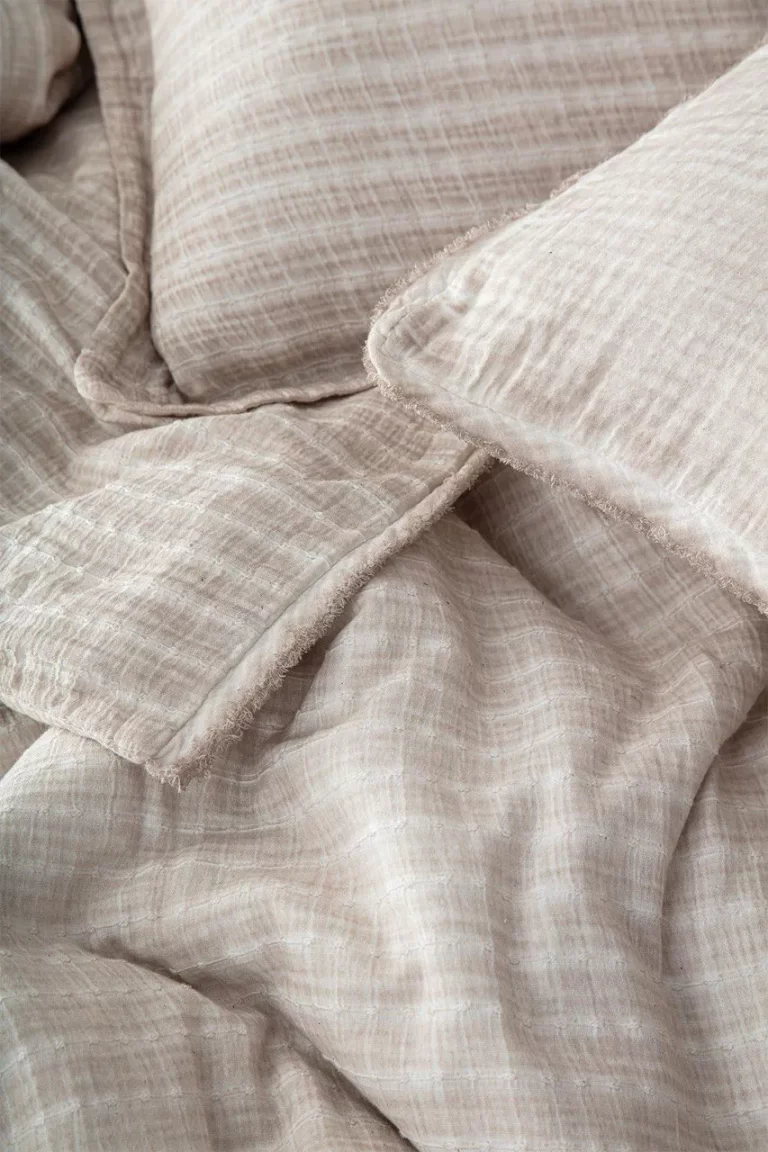
Made from several thin layers of cotton that allow air to circulate freely; very soft
Those with delicate skin
Hemp
Durable and breathable fabric; hemp is grown with very little pesticide use
Those who prefer long-lasting products
Cotton (sateen, washed cotton)
Soft and familiar material; it is important to choose certified cotton
Those who prefer a classic choice
Natural silk (pillowcases)
The smooth surface reduces friction against the skin and hair
The word “eco” on the packaging does not guarantee anything on its own. Check the facts.
Certificates.Independent eco-certifications confirm that the fabric has been tested for harmful substances. All certificates for our products are collected on the “Eco-Certificates” page.
Composition.The label should specify the exact material, for example “100% linen” or “100% lyocell (Tencel)”, rather than a vague description such as “natural fabric”.
Smell.A strong chemical smell from a new product should be a warning sign.
“Wrinkle-resistant” label.This is often a sign that the fabric has undergone special treatment. Natural fabrics wrinkle slightly, and that is completely normal.
How to Care for Bedding If You Have Allergies
Even the best fabric will not help if bedding is not washed regularly.
Wash new bedding before using it for the first time.
Change your bedding once a week.
Wash it at 60 °C if the care label allows it. This temperature kills dust mites.
For delicate fabrics such as Tencel and silk, use the washing programme indicated on the label, and air and dry the bedding in the sun more often.
Choose fragrance-free hypoallergenic detergents and avoid using too much fabric softener.
Use protective covers on pillows and mattresses.
Air the bedroom every day. Detailed care instructions for silk and towels can be found in our “EcoStyle” journal.
Conclusion
Restful sleep with allergies starts with simple choices: natural breathable fabrics, verified certifications and regular care. Not sure which fabric is right for you? Message us on Instagram and we will help you choose. You can also browse the Ecotextile.EU bedding catalogue, featuring Tencel, linen, muslin, hemp and sateen, with delivery across Estonia and throughout the EU. Important: this article is for informational purposes only. If you have severe allergies, consult an allergist.